SCHOOLS
Swimming Trial for Baby: What’s the Best Age to Start?

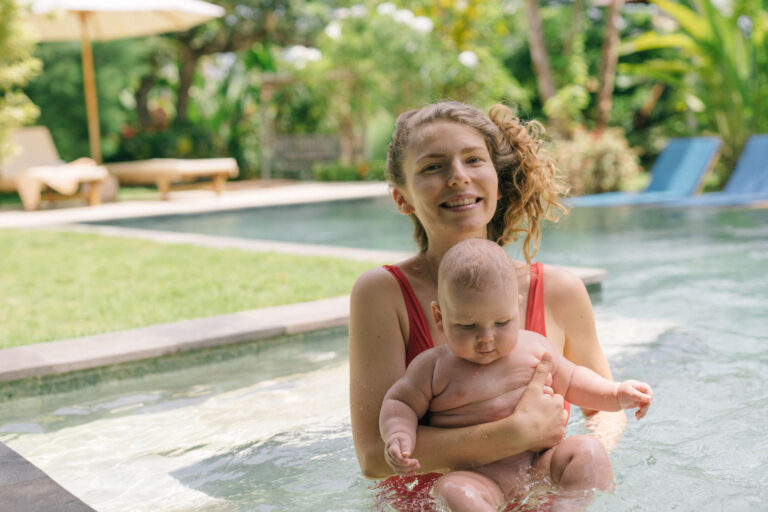
WORDS: Supplied Content PHOTOGRAPHY pexels-yankrukov-4668953_1
Introduction
Introducing a baby to water can be a way to build confidence, encourage movement and create positive experiences. Many parents wonder when lessons should begin and whether their child is ready. A free baby swimming trial can help families understand how a session works while observing how their baby responds to the pool environment.
When Can Babies Start Swimming?
There is no single age that suits every baby. Many baby swimming programmes welcome infants from around three months, provided they are healthy and developmentally ready. Before starting, parents should consider advice from their healthcare professional, particularly if their baby was born prematurely or has specific health concerns.
Swimming lessons at this stage are not about teaching babies to swim independently. Instead, sessions generally introduce gentle movements, supported floating, songs and simple activities that help babies become comfortable in water. Parents or carers usually remain in the pool with their child.
Why Start Swimming Early?
Early water experiences can support physical development by encouraging babies to move their arms and legs in a different environment. They can also help develop familiarity with water, which may reduce fear as children grow.
Regular sessions can provide opportunities for bonding, too. Holding, supporting and communicating with a baby in the pool creates shared experiences that can make swimming feel relaxed and enjoyable.
What Should Parents Look For?
The quality and structure of a programme matter more than choosing the earliest possible starting age. Parents should look for instructors who are trained to work with babies and understand infant development.
Class sizes are another useful consideration. Smaller groups may allow instructors to provide more individual attention, while a calm pool environment can be helpful for babies who are easily overwhelmed.
Water temperature is also important. Babies can become cold more quickly than older children, so pools designed for infant sessions should maintain an appropriate temperature. Parents should also check hygiene standards, changing facilities and the availability of suitable seating or space for carers.
Understanding Your Baby’s Readiness
Babies respond differently to new environments. Some may immediately enjoy splashing and floating, while others may need several sessions to become comfortable. Signs of readiness can include being content around water, tolerating gentle handling and remaining settled during activities.
Parents should avoid forcing participation. If a baby becomes distressed, taking a break and trying again later can make the experience more positive. Swimming should be introduced gradually and without pressure.
How Paul Sadler Swimland Approaches Baby Swimming
Paul Sadler Swimland offers swimming programmes that introduce young children to water through age-appropriate activities and structured instruction. Its baby-focused sessions involve parents or carers participating alongside their children, helping create a familiar and supportive environment. For families considering their first lesson, understanding the class structure, instructor approach and pool conditions can make the decision easier.
Conclusion
The best age to start baby swimming depends on the child, the programme and the family’s comfort level rather than a strict milestone. Starting around three months is common in many programmes, but parents should prioritise safety, readiness and professional guidance. A free baby swimming trial can be a practical way to see whether a class feels suitable before committing to regular lessons.
Note: The views and opinions expressed in this article are those of the author(s) and/or interviewee(s) and do not necessarily reflect the official policy or position of Ocean Road Magazine, its publisher, or its staff. While every effort has been made to ensure the accuracy of the information provided, Ocean Road Magazine makes no representations or warranties of any kind regarding its completeness or reliability. Readers should conduct their own due diligence before making any decisions based on the content of this article.