MOTORING
Salt, Sun and Sand: Protecting Your Car On the Coast

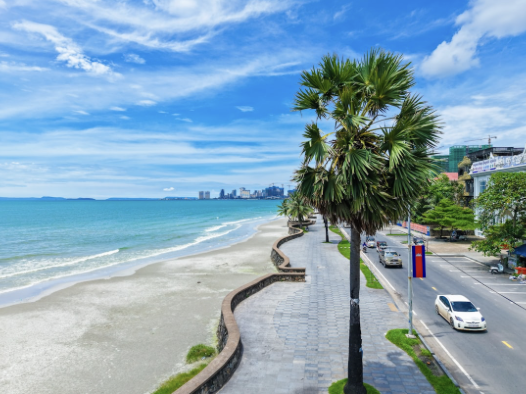
WORDS: Ocean Road Editorial Staff PHOTOGRAPHY Photo by Sim Kimhort on Unsplash
Coastal life is hard on cars, and the damage is quiet. Nothing dramatic happens on any single day at the beach. Three summers later the bonnet has gone flat, the plastic trim has faded, and the doors squeak on their hinges.
Owners along this stretch of coast tend to notice too late. Specialists such as Glosshaus car detailing in Sydney see the same pattern in cars from every beachside suburb. The fix is cheaper than the damage, provided it happens early.
What Coastal Living Does to a Car
Salt is the first culprit. Airborne salt settles on every surface, holds moisture against metal, and speeds up corrosion in seams and under trim.
Ultraviolet light does the rest. It breaks down clear coat and dashboard plastics. A coastal car often looks older than its odometer suggests.
Sand behaves like sandpaper, because that is essentially what it is. Dragged across paint by a towel or a sponge, it leaves fine scratches that dull the whole panel.
Humidity ties it together. Warm, damp air keeps salt active on the surface for far longer than dry inland air ever would.
Which Damage Shows Up First?
The order is predictable, and knowing it helps you act before a repair becomes a respray.
- Water spots appear within weeks on dark colours, especially after a rinse in full sun.
- Swirl marks follow, usually from washing with the wrong cloth or a dirty bucket.
- Trim fade hits mirrors, roof rails and bumper inserts around the 3 year mark.
- Clear coat failure shows as a chalky patch on the bonnet or roof, often by year 7.
- Surface rust starts in stone chips and door edges where the paint is already broken.
Anything above the roofline takes the worst of it. Horizontal panels collect both the UV and the salt spray, so they age roughly twice as fast as the doors.
Is Washing at Home Doing More Harm Than Good?
Often, yes. One bucket, a sponge and a sunny driveway is the standard recipe for swirl marks and water spots.
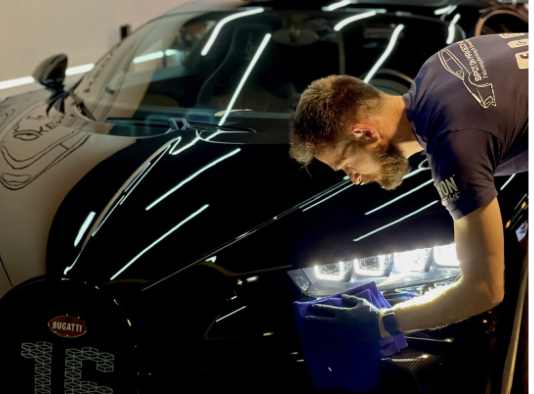
Photo by Agent J on Unsplash
Technique fixes most of it. Two buckets, a microfibre mitt and a shaded spot make an enormous difference. Rinse from the top down.
Where you wash matters too. Detergents, oil and grime run straight off a driveway into the stormwater system. Official advice on reducing stormwater pollution is to wash on grass or gravel, or to use a commercial wash bay.
The honest answer is that home washing maintains a finish. It does not restore one, and it will not protect paint from a coastal summer on its own.
What Do the Detailing Options Actually Include?
Four services cover most of what a coastal car needs. They solve different problems, so the names are worth knowing.
- Paint correction is a machine polish that levels the clear coat and removes swirls and light scratches.
- Ceramic coating is a hard, water-repellent layer that makes salt and grime far easier to rinse off.
- Paint protection film shields the bonnet and bumper with a self-healing clear layer that takes stone chips.
- Interior detailing cleans and conditions leather, plastics and carpets that UV has dried out.
New cars are the easy case. Protecting factory paint on delivery day costs less than correcting it after two beach summers.
How Often Should a Coastal Car Be Treated?
Frequency depends on where the car sleeps. A garaged car near the water needs less than one parked on the street at Currumbin.
Wash fortnightly as a baseline, and rinse sooner after a day of salt spray or a run along the sand. A quick hose down removes most of the salt before it has time to work.
Book a proper decontamination and polish once a year. That is usually enough to keep a coastal car ahead of the damage curve.
Coatings run on their own schedule. Most last 2 to 5 years, and a yearly inspection tells you whether the layer is still doing its job.
What Should You Ask Before You Book?
Get the panel list in writing. Full front, bonnet only and partial coverage are very different jobs at very different prices.
Ask how long the work takes. Genuine correction on a neglected car runs 10 to 20 hours. A same-day quote usually means a polish instead.
Ask what the warranty actually promises. Any service still sits under Australian Consumer Law. The consumer guarantees attached to any paid service are worth reading before you sign.
Ask to see the car under lights. Good operators walk you around the panels with a torch and point out every mark first.
A Coastal Car Care Calendar
- Fortnightly: two-bucket wash in the shade, wheels last.
- After beach days: rinse the underbody and door shuts the same afternoon.
- Every 6 months: inspect stone chips and touch up bare metal.
- Yearly: full decontamination, polish and coating check.
- On delivery: protect a new car before the first summer, not after it.
Worth the Weekend
A car that survives the coast well is not luckier than the rest. It has simply been rinsed more often, parked in shade more often, and protected before the damage started. That is a small habit with a very visible payoff on resale day.
Nothing here stops you enjoying the car, either. It just means the next of the iconic road trips or dream drives leaves the paint the way it found it.
FAQ
How Quickly Does Salt Air Damage Paint?
Salt does not eat paint overnight. It holds moisture against the surface and speeds corrosion wherever the paint is already chipped. Rinsing within a day or two removes most of the risk.
Is a Ceramic Coating Worth It Near the Beach?
For most coastal cars, yes. The slick surface stops salt and sand bonding to the panel. Every wash is gentler as a result.
Can Faded Plastic Trim Be Restored?
Usually. A detailer can clean and dress mildly faded trim. Badly chalked plastic may need a restoration product or replacement.
Should You Wash a Car In Direct Sunlight?
No. Water and detergent dry on the panel before you can rinse them. The mineral spots left behind need polishing to remove.