DEVELOPMENT
Planning the Future of the Gold Coast

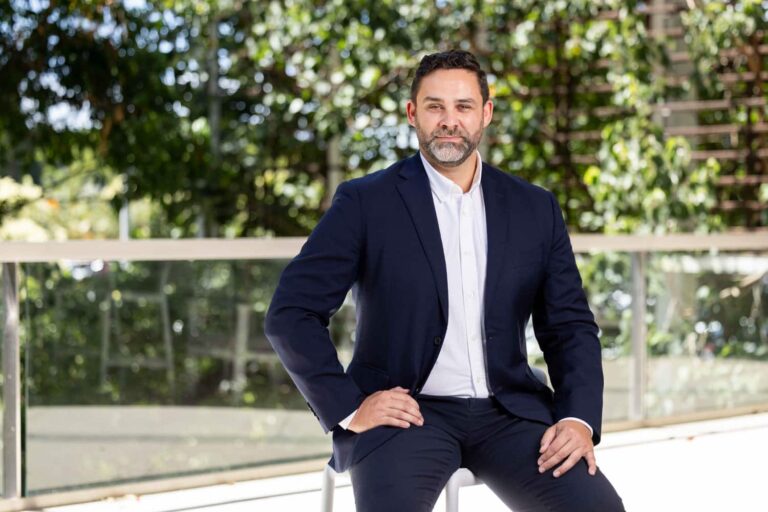
WORDS: Mark Hammel, Deputy Mayor & City Planning Chair, City of Gold Coast PHOTOGRAPHY Supplied
Deputy Mayor and City Planning Chair Mark Hammel outlines the vision behind the city’s Local Growth Management Strategy and how it will guide housing, jobs and infrastructure as the Gold Coast prepares for decades of growth.
THE Gold Coast has taken an important step toward shaping how our city grows and houses its community over the next two decades and beyond, with a majority of Councillors recently supporting a new long-term growth strategy.
It is called the Local Growth Management Strategy – the LGMS – and while the name may sound a little boring and technical, its purpose is straightforward: providing long-term certainty about where and how our city will grow.
The Gold Coast is already the largest non-capital city in Australia, and growth is not slowing. Over the next 20 years we are expecting around 350,000 additional residents. To support that growth, the city will require roughly 185,000 new homes and around 175,000 additional jobs. Those aren’t just numbers – they are mums and dads, young families, students, the elderly, nurses, teachers and police officers who need to be able to have a job and afford a home in the city they love.
That growth presents both a challenge and an opportunity. The challenge is ensuring housing supply and infrastructure keep pace with demand. The opportunity is ensuring the Gold Coast continues to offer the diverse, high-quality housing and jobs that attract people to live, work and invest in our city.
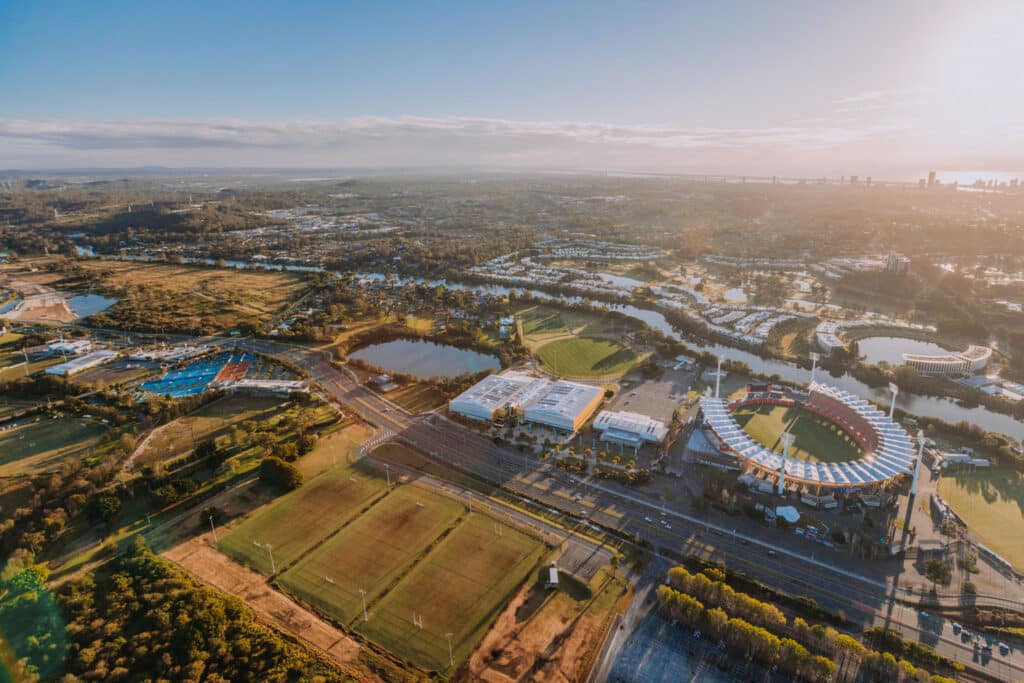
Planning for the next 20 years
The LGMS is about providing that strategy and clarity to inform our new planning scheme.
Over almost two years, Council has undertaken one of the most comprehensive community engagement processes ever conducted on growth and planning on the Gold Coast. Nearly 4,000 residents completed detailed surveys, more than 24,000 engaged online, and hundreds attended workshops across the city. We also engaged with Councillors, industry and the State Government.
What we heard from community and industry was honest, constructive and has provided us with a strong evidence base.
They are concerned about whether they will ever be able to afford to live here. At the same time, many long-term residents expressed a strong desire to protect the character and lifestyle that makes the Gold Coast unique.
Balancing those and other perspectives is the task before Council.
“Over the next 20 years the Gold Coast will need roughly 185,000 new homes — planning ahead now is essential to ensuring our city can meet that demand.”
Growth in the right places
Importantly, the strategy does not propose blanket overdevelopment or towers appearing across every suburb. Instead, it identifies the most appropriate areas for future housing growth – including key centres, transport corridors and established urban areas where infrastructure and services already exist.
At the same time, we must protect the character and environment that make the different parts of the Gold Coast special.
The LGMS also provides certainty for industry.
For developers, builders, investors, planners and real estate professionals, clear strategic direction is essential. It allows projects to be planned and constructed with confidence, supports investment in well-designed housing, and ensures infrastructure can be delivered alongside growth.
This is particularly important for the Gold Coast, where demand for high-quality housing continues to grow and where the city must remain competitive with other major Australian markets.
A local growth management strategy or new planning scheme means little if projects cannot stack up – we need viable projects that ultimately deliver homes for the people who need them.
Equally, our new planning scheme must ensure we spend less time and fewer ratepayer funds in the Planning Court defending decisions based on subjective or overly complex planning language in our City Plan. Clarity and certainty will be key with the new planning scheme.
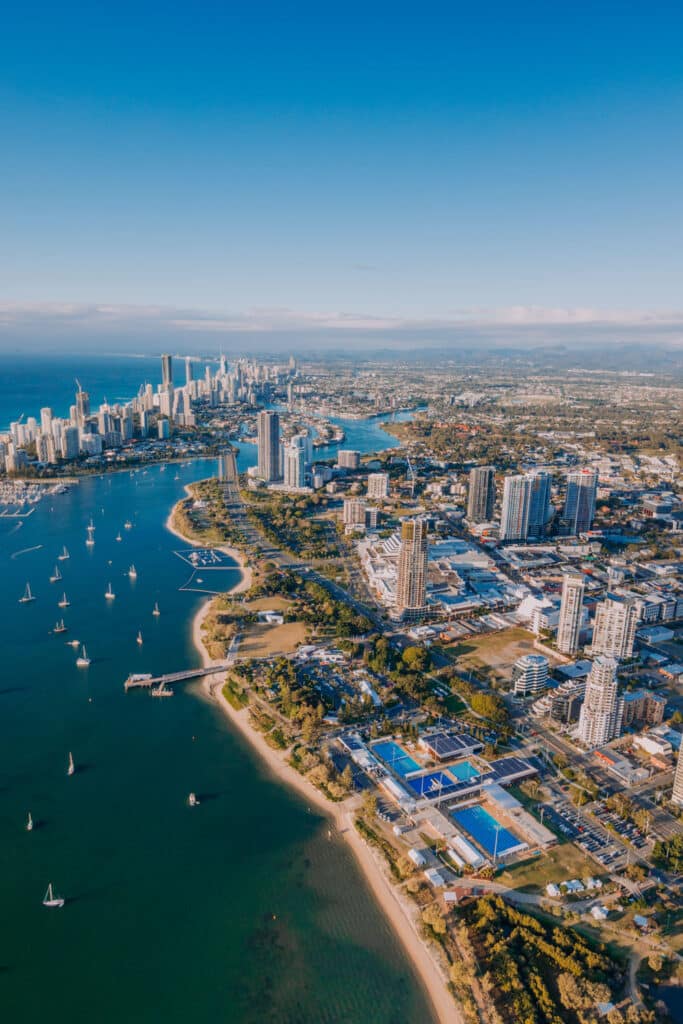
A broader mix of housing
The strategy also recognises that housing diversity is critical.
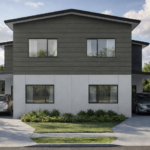
The Gold Coast’s future is not just about high-rise towers along the coastline. It is not about continuing to put all our eggs in the traditional house and land package basket either. It is about a broader mix of housing types across the city – from premium coastal apartments to more affordable townhouses, medium-density housing and well-planned suburban neighbourhoods, including duplex, triplex and quadplex developments.
That diversity will help ensure the city can accommodate different stages of life – whether it is young professionals entering the market, families establishing roots, or retirees downsizing while staying close to their community.
Just as important is ensuring growth is supported by the infrastructure people rely on every day. The LGMS aligns housing planning with transport corridors, roads, parks, water and sewerage infrastructure, community facilities and employment opportunities.
In other words, it ensures growth happens in the right places and in the right way.
From strategy to planning scheme
As mentioned earlier, the LGMS was supported by a majority of Councillors, reflecting broad recognition from our community and elected representatives that the city needs a long-term, strategic and transparent framework for growth.
With that strategic direction now established through LGMS, the focus can shift to the next and most important stage – the statutory planning process that will shape the city’s new planning scheme.
That work will continue over the coming years as the City prepares the new scheme ahead of its expected introduction in 2028.
The planning scheme is where the detailed rules sit – the zoning, development outcomes and planning controls that ultimately guide how projects are assessed and delivered.
For community and industry, this is where certainty becomes reality.
A roadmap for the city’s future
The Gold Coast has always evolved. From a coastal holiday destination to one of Australia’s fastest-growing cities, our growth has been driven by confidence, innovation, investment and careful planning.
The LGMS provides us with the long-term roadmap that community and industry have told us they want.
Now we move into the critical next phase of turning that vision into the statutory planning scheme – the rule book that will shape our city’s future.
For those who live, invest and build on the Gold Coast, that certainty matters.
Mark Hammel will contribute a regular quarterly column in Future Residences magazine, helping keep both the community and industry informed about the important planning work shaping the future of the Gold Coast.