PROPERTY
How to Prevent Charging-Related Fires at Home

WORDS: Supplied Material PHOTOGRAPHY Supplied
Modern households rely on dozens of battery-powered gadgets every day. Smartphones, laptops, tablets, and power tools make life easier, but plugging them in brings hidden hazards. Simple safety habits help keep your property safe during daily power use. Paying attention to electrical equipment keeps home environments comfortable and secure.
Emergency Preparedness Equipment
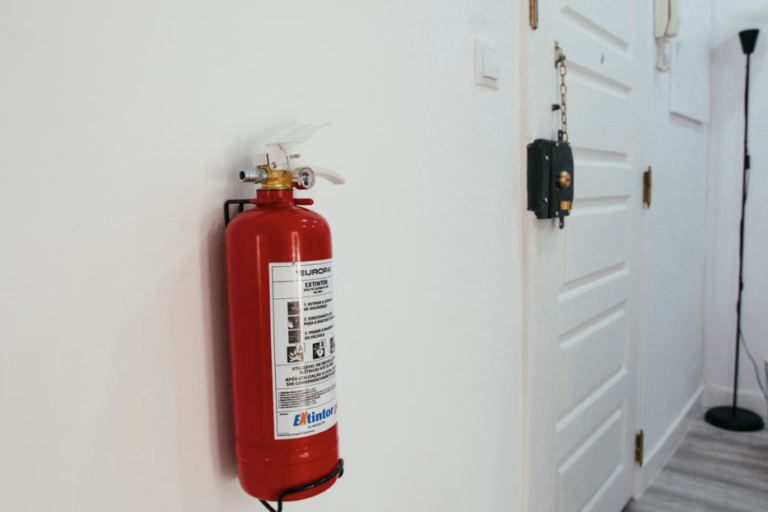
Safety gear plays a major role when dealing with potential electrical threats inside a house. Keeping reliable fire extinguishers near major outlets gives home dwellers quick protection during unexpected flare-ups. Mounting 1 unit on every floor creates a solid defense network across living areas.
Early detection tools complement physical suppression tools in living quarters. Smoke alarms placed near main charging stations offer immediate warnings before flames spread across room surfaces. Testing 1 alarm every month maintains total peace of mind for whole families.
Placing safety tools near high-use areas lets residents react quickly in emergencies. Keeping pathways clear around power boards makes reaching safety equipment fast and straightforward. Quick access to suppression tools prevents minor electrical sparks from turning into major structural disasters.
Certified Chargers and Recognized Testing
Buying cheap power cords from unverified online shops creates serious hazards for household circuits. Cheap knockoff cables often lack internal voltage regulators that prevent dangerous overheating. Choosing original manufacturer hardware shields sensitive electronics from unexpected power surges.
Official safety seals signal that an item passed rigorous laboratory tests. An article published by the Texas Department of Insurance suggests checking for safety certifications from recognized testing laboratories when purchasing rechargeable gear. Verified approval marks mean products meet strict manufacturing standards before reaching store shelves.
Counterfeit power bricks often omit crucial insulation barriers between primary and secondary circuits. Low-quality plastics melted under normal operating temperatures increase short-circuit threats during long charging sessions.
Proper Charging Locations and Heat Dissipation
Where you place electronics during charge cycles directly impacts thermal control. High heat levels degrade battery cells and increase fire danger across bedrooms and offices. Hard, flat surfaces allow natural airflow to keep battery casing temperatures down during high-draw charging sessions.
Soft fabrics act like thermal blankets and trap rising heat inside electronic housings. Research from Utah State University warns that placing devices under pillows or blankets traps heat during power cycles. Smart placement choices lower structural risks across bedrooms:
- Place battery chargers on cool wooden tables or stone counters.
- Keep charging phones 3 feet away from bedding or curtains.
- Unplug full batteries after 2 hours to avoid trickle heating.
Leaving electronics plugged into power cords overnight creates avoidable safety threats while occupants sleep. Monitoring power stations during waking hours allows fast reaction times if cord insulation melts. Disconnecting cords before bedtime protects residential spaces completely.

Electrical Wiring Inspection and Outlet Maintenance
Plugging 5 high-wattage chargers into 1 power strip strains household electrical panels. Overloaded wall sockets generate excess heat behind drywall long before visible sparks appear. Distributing power cords across separate room outlets keeps electric currents within safe limits.
Aging wall receptacles often develop loose internal connections that spark during power transfers. Insights from Safe Electricity highlight that faulty household wiring triggers many residential fires every year. Replacing worn 2-prong outlets with modern grounded units protects sensitive high-draw electronics.
Inspecting power cords regularly helps identify dangerous wear before serious incidents happen. Cracking rubber, exposed copper strands, or warm plug caps indicate an immediate need for replacements. Swapping damaged cables out instantly keeps household power systems running safely.
Extension cords serve as temporary power solutions rather than permanent wall outlet replacements. Running cords under rugs or carpet traps friction heat and causes protective outer jackets to degrade unnoticed. Plugging charging stations directly into grounded wall receptacles eliminates carpet fire hazards.
Setting up safe charging zones requires minimal time and protects loved ones from unexpected electrical fires. Choosing certified accessories and inspecting home outlets keeps everyday electronics operating securely. Following smart power habits keeps your property safe for years to come.
Note: The views and opinions expressed in this article are those of the author(s) and/or interviewee(s) and do not necessarily reflect the official policy or position of Ocean Road Magazine, its publisher, or its staff. While every effort has been made to ensure the accuracy of the information provided, Ocean Road Magazine makes no representations or warranties of any kind regarding its completeness or reliability. Readers should conduct their own due diligence before making any decisions based on the content of this article.