LIFESTYLE
How Retirement Communities Can Support Residents Through Major Life Transitions


WORDS: Supplied Content PHOTOGRAPHY Supplied
Retirement communities can make major life transitions easier by combining independence, social connection, and flexible care. The right environment can provide stability and access to spaces for personal fulfillment while respecting individual choices.
For people considering retirement living, Southern Cross Care (NSW and ACT) is one example of a provider offering different forms of support for older adults. The important consideration is whether a community can adapt to changing needs while allowing residents to maintain their routines, preferences, and independence.
This article explores how retirement communities are supporting residents through their major life transition.
Helping Residents Adjust to Retirement
Retirement can create time for family, hobbies, travel, volunteering, exercise, and learning. A supportive community can make this transition easier through shared activities, accessible surroundings, and freedom to maintain familiar routines.
Making the Move to a New Home Easier
Leaving a long-term family can bring uncertainty because it means leaving behind memories, belongings, and established habits. Retirement communities try to soften that disruption by helping residents understand their surroundings, meet neighbors, join activities, and settle in.
Helping Residents Build New Social Connections
Social contact can be affected after retirement. Bereavement, reduced mobility, or family members moving away can increase isolation.
Retirement communities help residents adjust to these changes by creating everyday opportunities to meet others and form new connections.
Shared meals, gardening, fitness activities, arts and crafts, outings, celebrations, and communal spaces can make it easier to interact without putting pressure on residents to socialize. Having familiar people nearby can also give residents a greater sense of belonging as they settle into a new routine and adjust to changes in their personal lives.
Providing Support When Care Needs Change
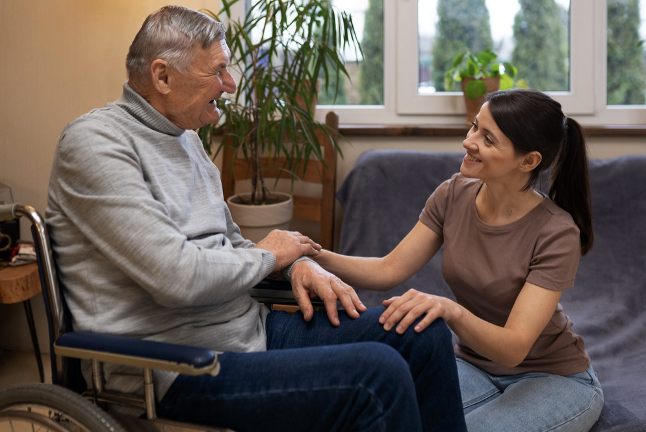
Changes in health or mobility can be a major life transition, especially when everyday tasks that were once simple become more difficult. Retirement communities support residents through this change by providing access to different levels of assistance while allowing them to remain in familiar surroundings.
Support may include help with daily activities, home care, or residential care when needed. Planning for these possibilities early can also help residents understand their options and make decisions about future support before a sudden change in health creates additional pressure.
Making Everyday Life Easier
Retirement communities can make major life transitions easier by creating an environment that supports residents as their routines and abilities change. Features such as step-free access, good lighting, accessible bathrooms, emergency response systems, safe walking areas, and nearby healthcare can help residents manage everyday tasks with greater confidence.
Communal spaces, outdoor seating, and dining facilities can also help residents become comfortable in their new surroundings and maintain social connections.
Having these facilities and support available in one place can reduce some of the practical challenges that come with moving or experiencing changes in mobility while still giving residents freedom in their daily lives.
Supporting Residents Through Bereavement
Losing a partner or close friend can affect housing, finances, routines, relationships, and emotional well-being. A community cannot remove grief, but familiar staff, neighbors, activities, counseling referrals, and social contact provide valuable support and connection to the residents.
Residents need space to grieve without pressure, with opportunities to reconnect, and that’s what retirement communities support.
Helping Residents Maintain Purpose and Independence
Major life changes can sometimes make residents feel that they are losing control over their routines or sense of purpose. Retirement communities help by giving residents opportunities to stay involved in activities they enjoy, make their own choices, and continue contributing to the community.
Residents can share their knowledge, volunteer, mentor others, lead interest groups, create art, learn new skills, or welcome new residents. Having these opportunities can help residents maintain a sense of purpose and independence as they adjust to a different stage of life.
Key Takeaways
- Retirement communities can help residents adjust to retirement as a new stage of life.
- Support with moving, social connections, and daily routines makes major changes easier to manage.
- Flexible care options from them help residents adapt when their health or mobility needs change.
- Accessible surroundings and community facilities provided by retirement communities can support comfort, safety, and independence.
- Opportunities for socializing, learning, volunteering, and making choices can help residents maintain purpose and a sense of belonging.
Note: The views and opinions expressed in this article are those of the author(s) and/or interviewee(s) and do not necessarily reflect the official policy or position of Ocean Road Magazine, its publisher, or its staff. While every effort has been made to ensure the accuracy of the information provided, Ocean Road Magazine makes no representations or warranties of any kind regarding its completeness or reliability. Readers should conduct their own due diligence before making any decisions based on the content of this article.