SCHOOLS
How Overnewton’s Junior School (Prep–Year 4) Supports Student Wellbeing

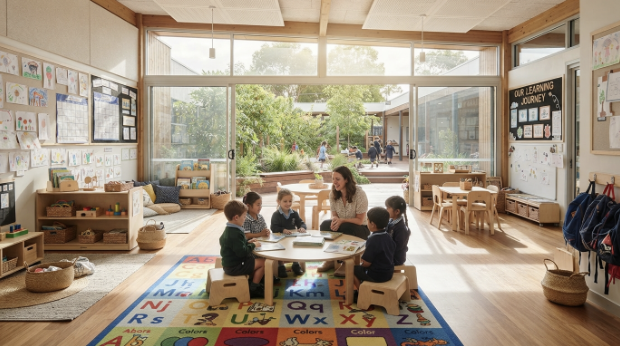
WORDS: Supplied Content PHOTOGRAPHY Supplied
Key Highlights
- Overnewton Anglican Community College supports junior school students with student wellbeing woven into daily learning on campus.
- A strong sense of belonging grows through Circle Time, Home Group routines, and positive class agreements.
- Pastoral care and community support help children build confidence, self-regulation, and healthy relationships.
- Prep transition steps help new students feel secure in their new learning environment.
- Outdoor, sporting, and creative programs strengthen connection, resilience, and joy.
Introduction
When families look at Overnewton’s Junior School (Prep–Year 4) in Taylors Lakes, they often want to know one thing first: will their child feel safe, known, and happy here? Overnewton Anglican Community College stands out by giving junior school students in Prep – Year 4 a supportive environment that acknowledges the Aboriginal custodianship of Country, where learning and wellbeing grow together from the very start.
Foundations of Student Wellbeing at Overnewton’s Junior School (Prep–Year 4)
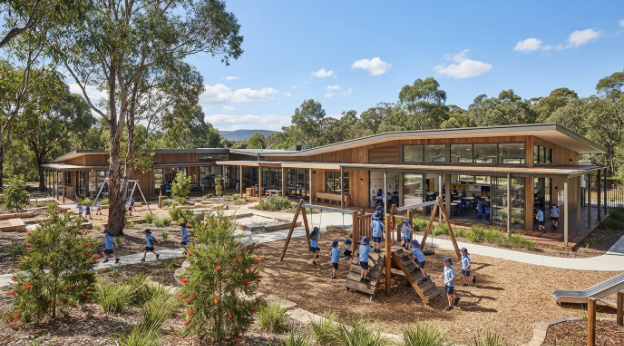
At Overnewton’s Junior School (Prep–Year 4), student wellbeing is not an extra program added onto school life. It is a strong foundation for the whole junior school experience.
This matters because junior school students learn best when they feel secure, connected, and understood. That focus supports both confidence and academic outcomes, giving children steady support as they grow.
Whole-School Approach to Emotional and Social Development
A whole-school approach means wellbeing, including community service, is part of daily routines, not just special lessons. From Prep to Year 4, children are guided to recognise emotions, speak about needs, and solve problems in safe ways while also benefiting from an arts program that supports their emotional development.
One practical example is the restorative practices framework used across the College. Students learn to understand impact, repair harm, and rebuild positive relationships rather than simply move past conflict.
Just as important, restorative interactions often happen in circles. This simple structure supports emotional and social development, gives every child a voice, and builds a real sense of belonging in the classroom community.
Core Values and Their Influence on Wellbeing
The wellbeing philosophy is shaped by clear college values lived across Prep – Year 4, which also emphasises personal development. Children are encouraged to practise kindness, gratitude, integrity, and compassion in everyday moments.
These Christian values are explored through Chapel and Religion and Values Education, but they also show up in how students speak, share, and include others. That makes values practical, not abstract.
For families, this answers a common concern: will behaviour expectations feel cold or caring? At Overnewton, values guide positive relationships, helping children grow into thoughtful classmates and responsible members of the wider school community.
Pastoral Care and Individual Support Systems
Pastoral care plays a vital role in creating a supportive environment where children feel ready to learn. It helps young learners manage feelings, build trust, and stay engaged.
That individual support also helps each child move towards their full potential. The next two areas show how teachers build close connections and how new starters are carefully guided in.
How Teachers Foster Nurturing Relationships
Teachers foster nurturing relationships by knowing children well and responding early to their needs. In the Home Group, routines help young students feel seen, settled, and ready for the day.
This support goes beyond comfort. Staff guide children to become self-reflective learners who can recognise and regulate emotions, which is a key part of teaching life skills from a young age, while acknowledging the loss of cultures that can impact these skills.
That approach can ease a real parent worry: what if my child struggles to speak up? Through regular check-ins, shared agreements, and calm conversations, children learn that adults will listen and help, just as they do in sports, including ball handling.
Tailored Support for Prep Transition and New Students
Starting school can feel big for children and parents alike. Overnewton answers that with a Prep Transition program designed to offer tailored support before day one, whilst also recognising the custodianship of this land.
The process begins with a school readiness interview. This helps educators understand each child’s development and build awareness of their new learning environment, including social and emotional readiness.
Students then take part in four transition sessions. The first three use group activities to build familiarity, and the last session connects each child with their allocated Home Group and teacher in a supportive environment.
Wellbeing Programs and Curriculum Initiatives
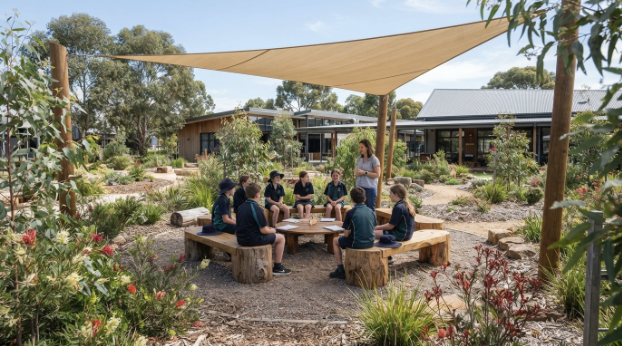
Wellbeing programs at Overnewton sit inside a broad education program rather than outside it. This helps children connect emotional growth with everyday learning.
Because teaching is aligned with the Australian Curriculum, support for wellbeing can also strengthen academic outcomes. The next sections show what this looks like in class and during special events.
Classroom Activities That Promote Mental Health
Yes, there are classroom activities that support mental health in simple, age-appropriate ways. The clearest example is Circle Time, which gives children a regular space to speak, listen, and connect.
These classroom activities also support personal growth and artistic growth in learning habits. Guided inquiry, discussion, and reflection help students build critical thinking while learning how to work through feelings and challenges with others.
- Circle Time helps children share emotions and practise active listening.
- Restorative interactions teach students how to solve problems and repair relationships.
- Inquiry tasks build confidence as children ask questions, test ideas, and explain thinking.
Outdoor Education and Co-Curricular Opportunities
Outdoor education and co-curricular experiences give children space to grow in different ways. They support confidence, friendship, and physical wellbeing outside the usual classroom setting.
This matters for families who want balanced development, not only strong grades. Overnewton uses a sense of adventure and environmental awareness to help children become more independent and connected.
Nature-Based Learning and Its Effects on Young Learners
Nature-based learning helps young learners step beyond their comfort zones in safe, planned ways, fostering their artistic skills through various arts experiences. Through day excursions and camps, they build resilience, responsibility, and a stronger connection with the natural world.
A detail many schools skip is progression. Overnewton starts with age-appropriate experiences, then gradually builds independence through overnight stays, making outdoor education feel manageable rather than overwhelming.
| Year level stage | Outdoor experience and wellbeing effect |
| Year 2 | Overnight camp at Mt Evelyn Discovery Camp supports confidence and early independence and acknowledges the Marin Balluk people of the Kulin Nation, as the Traditional Custodians of the Land, to whom we offer our deep respect. |
| Year 3 | Campaspe Downs in Kyneton builds teamwork, problem-solving, and environmental awareness. |
| Year 4 | Camp Manyung in Mt Eliza strengthens leadership, resilience, and care for the natural world. |
Sporting and Team Activities for Building Confidence and Belonging
Sporting activities and team activities support wellbeing by helping children move, cooperate, and feel part of something bigger than themselves. This is especially helpful for building a sense of belonging.
In Prep to Year 4, the focus stays on fun, healthy attitudes to competition, and positive self-esteem. Children can also take part in wider events as they grow in confidence.
- House Activate events promote teamwork and enjoyment.
- Year 4 students may join cross country, the athletics carnival, and district swimming pathways if they qualify.
Conclusion
In conclusion, Overnewton’s Junior School (Prep–Year 4) is committed to supporting student wellbeing through emotional, social, and academic guidance. Strong teacher-student relationships, tailored support systems, and a wide range of innovative programs ensure every child’s needs are met. Outdoor education and co-curricular activities build confidence and a sense of belonging, while family involvement strengthens the supportive community, including partnerships with St Luke’s Sydenham. To learn more about how Overnewton prioritises student wellbeing, book a free consultation today!
Frequently Asked Questions
What role do families and the wider community play in student wellbeing at Overnewton’s Junior School?
Families are part of the learning partnership at Overnewton, alongside students and teachers in the junior school house. That shared approach strengthens school life, while links with the wider community and active participation in service and House events help children feel connected and supported in the wise stewardship of our buildings.
How does Overnewton’s Junior School communicate with parents about wellbeing?
Communication begins early through the school readiness interview and continues through close teacher knowledge of each child at the Canowindra Campus. This helps parents understand their child’s junior school experience and supports a consistent, supportive environment between home and school.
How can new families discover more about student support and wellbeing measures at Overnewton’s Junior School?
Prospective families can learn more about student support and wellbeing measures by exploring open days and Yirramboi Campus tours, which often include insights into our outdoor education program. These give a clearer picture of routines, relationships, and the spaces where children learn and grow each day.
Note: The views and opinions expressed in this article are those of the author(s) and/or interviewee(s) and do not necessarily reflect the official policy or position of Ocean Road Magazine, its publisher, or its staff. While every effort has been made to ensure the accuracy of the information provided, Ocean Road Magazine makes no representations or warranties of any kind regarding its completeness or reliability. Readers should conduct their own due diligence before making any decisions based on the content of this article.