HEALTHCARE
How Infrared Saunas Work and What They Do for Your Body

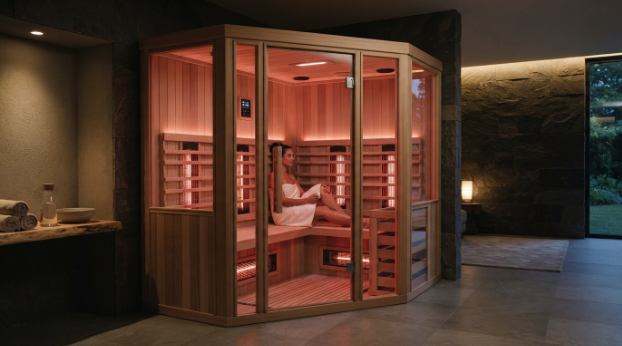
WORDS: Supplied Material PHOTOGRAPHY Supplied
How Infrared Saunas Work and What They Do for Your Body
Key Highlights
- Infrared saunas use infrared light to warm your body more directly than a traditional sauna.
- Many people choose shorter sauna sessions because the lower air temperature feels easier to handle.
- The main health benefits people look for are pain relief, stress relief, and better blood circulation.
- A session can raise heart rate and body temperature in a gentle, controlled way.
- Home models in Australia vary by size, heater type, and indoor or outdoor design.
- Safe sauna use starts with hydration, short sessions, and paying attention to how you feel.
Introduction
Wondering how infrared saunas work and whether they are worth trying? The short answer is simple: they create a different sauna experience from a traditional sauna by heating your body more directly. That can mean less harsh air, easier heat exposure, and practical support for relaxation, recovery, and regular wellness habits at home.
Understanding Infrared Saunas
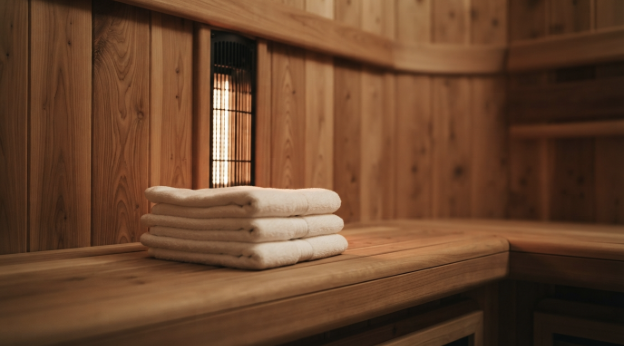
Infrared saunas are a type of sauna built around sauna technology that uses infrared wavelengths to produce heat. Instead of relying mainly on very hot surrounding air, they use infrared energy to create a deep, dry heat feeling.
In home models, this system often includes carbon fibre or ceramic heaters, digital controls, and timber cabin construction. To understand why that matters in real use, it helps to compare them with regular saunas first.
What Makes Infrared Saunas Unique Compared to Regular Saunas
The main difference is how heat reaches you. A regular sauna heats the air, which then warms your body. Infrared saunas use radiant heat that targets your body directly.
This makes infrared sessions feel more comfortable for many, since the air stays cooler but you still sweat and feel deeply warm.
People who find traditional saunas too hot often prefer infrared saunas at home. This is a common reason for switching from steam or high-heat setups.
Common Types of Infrared Saunas Available in Australia
In Australia, the most common options are indoor, outdoor, corner, and portable styles. You will also see different heater systems, such as far infrared carbon fibre panels and ceramic heaters, depending on the type of sauna.
Here is a simple text table based on common home models and price points shown in current listings:
| Type | Typical use and example price |
| 1-person indoor | Compact home use, from about $2,099 |
| 2-person indoor | Shared use, from about $2,349 |
| 2-person outdoor | Backyard setup, from about $3,099 |
| 4-person outdoor | Larger family use, from about $4,099 |
Some buyers also ask about installation. The compiled information notes easy assembly instructions and optional installation in many areas, which helps if you want full spectrum or far infrared technology at home without a complex setup.
How Infrared Saunas Generate Heat

Infrared saunas generate heat through infrared heaters rather than a standard sauna heater that mainly raises room heat. These heaters produce infrared light and infrared energy within the infrared spectrum.
That energy is used to create a warming effect on the body in a lower temperature environment. To make that easier to picture, let’s look at what actually happens during a session.
How Infrared Heaters Warm the Body
Infrared heaters emit infrared waves that produce radiant heat, warming your body directly rather than just heating the air.
During a typical infrared sauna session, your core temperature gradually rises, causing you to sweat. Your heart rate may increase, and blood flow can improve as your blood vessels react to the heat.
Afterwards, many people feel relaxed and less tense. Infrared saunas are commonly used for post-exercise recovery, as a short session can help relieve muscle tightness and promote comfort.
Comparing Radiant and Convective Heat in Sauna Technology
Radiant and convective heat create distinct experiences. Convective heat warms the air, while radiant heat (like infrared) directs energy straight to your body—making infrared saunas feel different from traditional hot-air rooms.
Quick comparison:
- Radiant heat targets your body directly.
- Convective heat relies on heated air.
- Infrared saunas feel drier than steam rooms.
- Lower temperatures in infrared sessions are often more comfortable.
If steam rooms leave you feeling overwhelmed, infrared saunas may offer a gentler, more manageable warmth.
Health Benefits of Infrared Saunas
People often ask whether there is a real research base behind infrared sauna therapy. The compiled information points to specific health benefits people seek, including relaxation, improved circulation, stress relief, and support for chronic pain or muscle soreness.
Not every claim is equal, though. It helps to separate popular ideas from more grounded expectations, starting with detoxification.
Cardiovascular and Heart Health
One key benefit is heart health support. Sessions can raise heart rate and widen blood vessels, improving circulation and creating a mild cardiovascular effect.
This is important for those seeking relaxation without the discomfort of high heat. The body remains active during sessions, even while sitting still.
Infrared saunas use lower temperatures than traditional ones, reducing the risk of overheating. If you manage blood pressure or have heart concerns, it’s wise to proceed cautiously before regular use.
Stress Relief and Improved Sleep Quality
For many users, the biggest win is stress relief. Quiet heat, a closed space, and a break from screens can make an infrared sauna session feel like a reset at the end of a long day.
There is also a simple body-based reason. Gentle heat stress raises core temperature during the session, and the wind-down afterwards may help your body shift into a calmer state.
A useful routine is 3-4 sessions a week, which the compiled information says many people enjoy. With regular use, people often look for improved sleep, less tension, and better mental clarity rather than quick-fix results.
Using Infrared Saunas Safely
Safe sauna use is mostly about moderation. Even though infrared sauna use happens at a lower temperature than many traditional rooms, it still creates heat stress and raises core body temperature.
That means you should start slowly, drink water, and stop if you feel unwell. The next two sections answer the most common beginner concerns.
Practical Tips for Your First Infrared Sauna Experience
Your first session should be simple and controlled. Wear light, breathable clothing or use a towel—dry heat can feel intense once you start sweating.
Tips:
- Drink water before and after your session.
- Start with a short session.
- Avoid heavy clothing.
- Leave the sauna if you feel dizzy or uncomfortable.
Don’t assume more heat is better. Starting slow and staying comfortable leads to better long-term results.
Conclusion
In conclusion, infrared saunas offer a unique way to boost well-being through advanced heating technology. They promote relaxation, support detoxification, and improve cardiovascular health, with growing evidence of their benefits. To maximise results, use infrared saunas safely and stay informed. If you’re interested in exploring their advantages or want personalised advice, contact us for a free consultation. Your path to better health starts here.
Frequently Asked Questions
Do infrared saunas really help with detoxification?
Infrared sauna use may support detoxification through sweating caused by heat stress. That is why people connect it with toxin removal and heavy metals. A sensible view is to treat it as a supportive wellness habit, not a guaranteed medical solution.
Are there any risks if you use an infrared sauna daily?
Daily sauna sessions can be too much if heat exposure leaves you tired, dizzy, or dehydrated. Because core body temperature and blood pressure can shift during regular use, it is smart to start gradually and pay close attention to how your body responds.
How does the heat in an infrared sauna feel compared to a steam sauna?
An infrared sauna usually feels like dry heat with a lower air temperature than steam saunas. Many people find it less overwhelming than intense heat in a steam room, even though their core temperature still rises and they still sweat well.
Note: The views and opinions expressed in this article are those of the author(s) and/or interviewee(s) and do not necessarily reflect the official policy or position of Ocean Road Magazine, its publisher, or its staff. While every effort has been made to ensure the accuracy of the information provided, Ocean Road Magazine makes no representations or warranties of any kind regarding its completeness or reliability. Readers should conduct their own due diligence before making any decisions based on the content of this article.