MOTORING
Ford Everest Car Seat Covers Buying Guide: Fit, Fabric and Safety

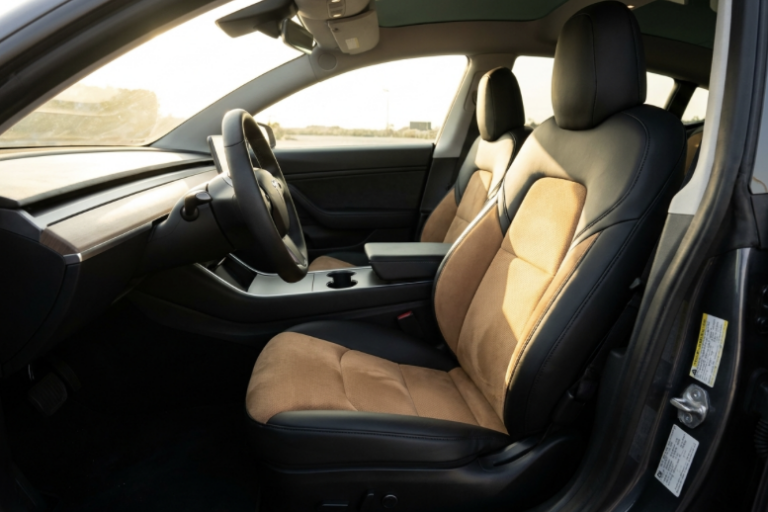
WORDS: Supplied Content PHOTOGRAPHY Supplied
Key Takeaways
- Tailored covers cut for your Everest’s exact trim and seat layout fit better, wear longer and leave controls clear.
- Neoprene suits wet, sweaty and sandy use, while canvas suits tools, boots and heavy daily wear.
- Airbag compatibility, seatbelt access and heated or powered seat features matter more than appearance.
- Plan for the third row, child seats and cleaning, since a seven-seater lives a very different life from a two-seat work ute.
Introduction
The Ford Everest is a vehicle that does many jobs. It takes the kids to school on Monday, carries tools to a worksite on Wednesday and tows a camper to the coast on Friday. That flexibility is the reason people buy one, and it is also the reason the interior takes a beating.
Seat covers protect the upholstery from spills, mud, sand, claws and sun. They also vary widely in fit, fabric and safety. This buying guide explains how to choose Ford Everest car seat covers, covering fit, materials, airbags, the third row, child seats and care, so you buy a set that suits how your family or business uses the vehicle.
Why the Everest needs good covers
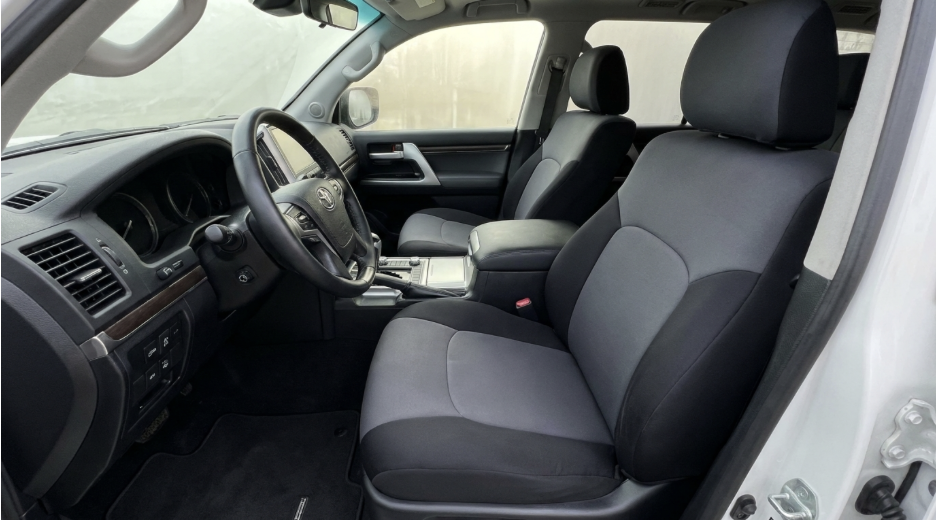
When you shop for Ford Everest car seat covers, you are protecting a large and often expensive interior. Seven-seat layouts, a busy second row and a third row that folds in and out all give the upholstery plenty of exposure. A weekend away can leave sand in every seam, and a muddy dog can undo a fresh clean in seconds.
Tailored fit comes first
Fit is the biggest difference between good and poor covers.
Universal covers rely on elastic and straps, and they often bunch, slide and leave gaps. They can block seatbelt buckles, seat controls and side airbags. Tailored covers are patterned for a specific vehicle, so they follow the contours of the seat and keep features accessible.
Check the details. Look at the front seats, the second-row bench or split-fold seat and the third row if you have one. Make sure headrests, armrests and cupholders are accounted for. If your vehicle has been modified, tell the supplier before you order.
Choose the right fabric
Material shapes comfort, durability and cleaning.
Neoprene is a flexible, wetsuit-style fabric. It resists water and sweat, feels soft and gives a snug fit. It suits beach trips, fishing, surfing and humid weather, and many families like it for the school run. It copes well with spills, though sharp tools and heavy abrasion can wear it over time.
Canvas is a heavy woven fabric known for toughness. It resists abrasion from boots, tools and belts, and treated canvas can repel water and wipe clean. It suits tradies, farmers and anyone who throws gear onto the seat.
The company lists waterproof neoprene and heavy-duty canvas for this model. Other fabrics, such as mesh and leather-look, can suit particular needs, but these two cover most uses.
Airbags and seatbelts
Safety must come before style.
Many Everest seats have side airbags built into the seat. Covers must allow those airbags to deploy as designed, with seams and stitching that open in a crash. Check that the supplier states airbag compatibility for your exact model, and avoid any cover that is not designed for it.
Keep seatbelts working. Buckles, anchors and sensors must stay accessible, and the belt must run freely. Seat occupancy sensors can be affected by thick or poorly fitted covers, so check that warning lights behave normally after installation.
If your vehicle has heated, ventilated or powered seats, ask whether the cover allows them to work. Some materials reduce heating, and some covers need cut-outs for controls.
When in doubt, ask the supplier a direct question and keep the answer in writing.
Second row, third row and child seats
An Everest often carries a full house.
The second row may be a bench or a split-fold seat, and it may slide or recline. Covers must allow these movements, and they must not block the folding mechanism. A cover that jams a seat release is frustrating and unsafe.
The third row is smaller, and it often folds into the floor. Check whether the set includes third-row covers, and whether they allow the seats to fold flat. If you rarely use the third row, you may prefer a set that covers the front and second row only.
Child seats need extra care. Covers must not block anchor points, tether positions or seatbelt buckles, and the child seat should still fit firmly. Follow the instructions of both the child seat maker and the cover supplier. Child seats can also leave marks and dents in upholstery, so a cover underneath helps protect it.
Work, touring and family use
Different owners need different features.
On the worksite, choose heavy-duty materials and strong stitching. Look at the bolsters, where boots and tools cause the most wear, and the seams and zips. Dark colours hide grease and dust.
On tour, think about sweat, sand and dust. Quick-drying fabrics and easy cleaning matter, and breathable materials help on long, hot drives. A cover that comes off for a deep clean after a trip is a bonus.
Families should think about spills, crumbs, felt pens and muddy shoes. Wipe-clean surfaces and a snug fit keep mess out of the seams. A seat protector under child seats adds a second layer.
Dogs need a tough surface and a close fit to keep claws and hair away from the upholstery.
Care and cleaning
Easy cleaning keeps covers looking fresh.
Vacuum regularly with a soft brush, particularly along seams where dust and crumbs collect. Wipe spills straight away with a clean cloth, and avoid rubbing. Use mild cleaners suited to the fabric, and test them on a hidden area first.
Check whether the covers can be removed for washing, and follow the maker’s instructions. Dry them fully in a shaded, ventilated spot before refitting, since trapped moisture leads to mould and odour. Avoid direct sun and heaters when drying.
Installation and support
A careful fit makes covers last.
Read the instructions before you start, and lay out the parts. Fit the front seats first, then the second row and third row. Check for creases and gaps, and recheck the fasteners after the first few drives.
Budget and value
Think about value over years, not dollars today.
A cheap cover that bunches and tears in a season costs more than a good one that lasts. Compare what is included, such as the number of rows, headrest covers and accessories. Ask about warranty and care requirements, and compare materials as well as price.
Making your choice
Start with how your Everest is used, then choose a tailored set in the right fabric. Check airbags, seatbelts, the second and third rows and child seat anchors, and plan for cleaning. With the right Ford Everest car seat covers, your interior stays protected from school runs, worksites and weekends away.
Frequently asked questions
Do Ford Everest car seat covers affect airbags?
They can if they are not designed for your seats. Choose covers made for your exact model, and check that the maker confirms airbag compatibility.
Should I choose neoprene or canvas for an Everest?
Neoprene suits wet, sandy and sweaty use, while canvas suits tools, boots and heavy wear. Choose based on how you use the vehicle most.
Can I use child seats with seat covers?
Often yes, but covers must not block anchor points or belts. Follow the child seat maker’s and the cover supplier’s instructions.
Note: The views and opinions expressed in this article are those of the author(s) and/or interviewee(s) and do not necessarily reflect the official policy or position of Ocean Road Magazine, its publisher, or its staff. While every effort has been made to ensure the accuracy of the information provided, Ocean Road Magazine makes no representations or warranties of any kind regarding its completeness or reliability. Readers should conduct their own due diligence before making any decisions based on the content of this article.